I build AI-native products at the intersection of data platforms, agent systems, and durable infrastructure. At TapClicks, I lead product for analytics, automation, and data pipelines.
I care about systems that compound — tools that improve adoption, increase retention, and unlock expansion in complex environments. I write about product strategy, PM craft, and the decisions that shape durable software.
Work
- SmartSuite2024–2025
Analytics and insights packaging for marketing agencies — achieved ~25% attach rate in year one.
TODO: Add a short paragraph about SmartSuite here. What problem did it solve? What was the approach? What did you learn?
- AI Operator Agents2024
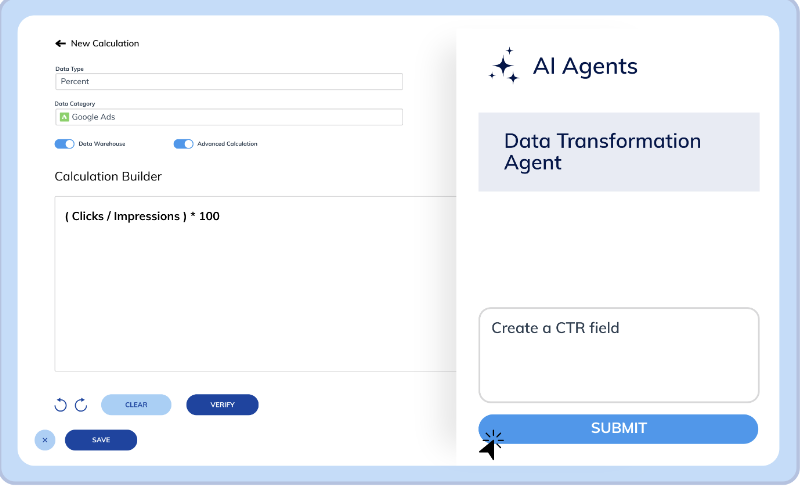
Converts natural language into deterministic platform actions, reducing friction in high-complexity workflows.
- TapETL2023–2024
Data platform expansion enabling warehouse-native workflows — ~40% hybrid adoption across accounts.

- Transformation Hub2023
Unified data transformation layer enabling self-serve pipeline management for complex marketing data.
TODO: Add a short paragraph about Transformation Hub here. What problem did it solve? What was the approach? What did you learn?
Writing
- The Scaling Portfolio: How to balance product bets, platform bets, and debt paydown in one strategyAug 2025
- A PM’s Guide to Technical Debt Narratives: Turning “engineers want refactors” into decision-ready tradeoffsAug 2025
- How to Prevent “Partially Redundant Systems”: Avoiding platform fragmentation as teams growAug 2025
- The Hidden KPI of Scaling Teams: “Time-to-deploy” as the north star behind many platform betsAug 2025
- Scaling Lessons from Pinterest & Snap (without copying them): What to steal, what to ignoreAug 2025
- Platform as a Force Multiplier: The PM’s job isn’t features—it’s increasing the org’s rate of learningJul 2025
- The “Predictability” Argument: Why long-term operability can outweigh near-term feature ROIJul 2025
- When Technical Debt Becomes a Sequencing Blocker: The moment it stops being “later”Jul 2025
- How to Talk About Scalability in Business Language: Translating infra into revenue, retention, and velocityJul 2025
- Roadmaps That Include Infrastructure Without Starting Civil Wars: Stakeholder alignment tactics that workJul 2025
- Modernization Without Trauma: How to replatform UX + infrastructure without breaking trustJul 2025
- The Internal Tool That Changed Everything: How experimentation platforms unlock compounding speedJul 2025
- What “Good” Platform Investment Looks Like: Solve multiple problems with one foundational betJul 2025
- Your Product Process Isn’t a Funnel—It’s a Loop (and Here’s How to Run It)Jul 2025
- Unplanned Work Playbooks: How to keep outages/security incidents from derailing the next 2 quartersJul 2025
- The Calm PM: Leading Through Ambiguity with Designers and EngineersJul 2025
- How to Sound Senior in Design Conversations (Without Being a Jerk)Jul 2025
- Deprecating Tech: The Silent Churn Driver: When your stack becomes the bottleneckJul 2025
- Executive-Ready Product Communication: From “Updates” to “Decisions”Jul 2025
- Workarounds Are Organizational Interest Payments: How “temporary fixes” become permanent dragJul 2025
- The Minimum Viable Research + Design Stack for Small TeamsJun 2025
- Non-Roadmap Work is Still Roadmap Work: How to plan for the inevitable without lying to yourselfJun 2025
- How PMs Can Use AI to Accelerate Early UX Exploration (Without Replacing Design)Jun 2025
- Design Quality on a Budget: Templates, Heuristics, and Lightweight CritiqueJun 2025
- Systemic Debt vs Papercuts vs Extinction Events: A practical taxonomy for deciding what gets fixed nowJun 2025
- The “Borrowed Designer” Playbook: How to Get Value Without Burning Them OutJun 2025
- The 5-Factor Debt Prioritization Scorecard: Confidence, Time, User Impact, Sequencing, Accumulated DebtJun 2025
- High-Quality UX Without a Full-Time Designer: A Practical SystemJun 2025
- Instrumentation as a Product Skill: Measuring What Matters from Day OneJun 2025
- Debt is Normal: The “burning house” mindset for product leaders scaling messy systemsJun 2025
- Dependencies Without Drama: How to Unblock Without Escalation TheaterJun 2025
- The PM as a Force Multiplier: Creating Clarity, Not More MeetingsJun 2025
- Overinvesting vs Underinvesting in Tech Debt: How both decisions quietly sabotage roadmap outcomesJun 2025
- How to Run Product Check-ins That Don’t Waste Everyone’s TimeJun 2025
- Why “Wait and See” Kills Scaling: The hidden cost of reacting instead of pre-investingJun 2025
- Scope as Risk Management: How Senior PMs Cut Without Breaking ValueJun 2025
- Shipping Is Not the Goal: Building an Outcome-Driven Delivery SystemJun 2025
- Build vs Buy for Internal Tools: The 4-question framework senior PMs should memorizeJun 2025
- How to Align Cross-Functional Teams on What “Success” MeansJun 2025
- Platform Work Isn’t a Side Quest: How to justify infra investment without sounding defensiveJun 2025
- The “Constraint Brief”: A Better Alternative to a Long Requirements DocJun 2025
- Two-Way vs One-Way Doors in Product Design (and Why Most Teams Misuse It)Jun 2025
- The “Technical Asymptote” Problem: How Great Products Flatline (and how PMs spot it early)Jun 2025
- Strategy is Saying No: How to Kill Ideas Without Killing MoraleJun 2025
- When Features are Premature: Surface Area Inflation Creates Slowness and DebtJun 2025
- When to Commit vs Keep Exploring: A Simple Convergence ChecklistMay 2025
- When Growth is Premature: How ‘Optimize Before Value Exists’ Kills TeamsMay 2025
- Decision Logs: The Missing Artifact of High-Velocity TeamsMay 2025
- The Tradeoff Stack: How to Make Decisions Without Endless DebateMay 2025
- Tech vs Process vs User Scaling: Three Scaling Types (and the Tradeoffs)May 2025
- From Prototype to PRD: Document Decisions, Not ScreensMay 2025
- The “One Week Prototype” Playbook for B2B ProductsMay 2025
- Scaling as Product Strategy: Why ‘Infrastructure Work’ is Often the Highest Leverage BetMay 2025
- Signals Over Quotes: Turning Research into DecisionsMay 2025
- PMF Expansion Strategy: New Markets vs New Products (How to Decide)May 2025
- How to Run Concept Tests That Don’t Turn into Opinion PollsMay 2025
- Wizard-of-Oz Experiments: Shipping Learning Without Shipping CodeMay 2025
- The Assumption Map: A Simple Way to Decide What to Test FirstMay 2025
- De-risk Before You Build: How Senior PMs Reduce GuessworkMay 2025
- Exploration vs Validation Prototypes: Stop Using the Same Tool for Different JobsMay 2025
- The PM’s Anti-Pattern: Using “Requirements” to Avoid ThinkingMay 2025
- Design Partnership as a System: Cadence, Rituals, Artifacts, and TrustMay 2025
- Turning Vague Feedback into Actionable Design ConstraintsMay 2025
- When a PM Should Push Back on Craft—and When to Let It GoMay 2025
- How to Disagree with a Designer (and Still Ship Great Work)May 2025
- Building a Holistic User View: Why More Sources Beat More MeetingsApr 2025
- A Weekly Feedback Ops Cadence for PMs (That Actually Fits Real Life)Apr 2025
- From Feedback to Conviction: Making Big Bets Without Perfect DataApr 2025
- Feedback Systems of Record vs Feedback Rivers: Why You Need BothApr 2025
- Sales Feedback Without Chaos: Turning Random Pings Into Structured SignalsApr 2025
- The Product Champion Pattern: Scale Stakeholder Input Without Burning OutApr 2025
- Why Feature Request Volume Lies: The Silent Churn and Workaround ProblemApr 2025
- Two Channels That Change Everything: The Happy/Unhappy Customer Feedback ModelApr 2025
- Feedback Cycle Time: The Underrated Metric That Determines How Fast You LearnApr 2025
- How Feedback Rivers Build Product Intuition (Pattern-Matching Over Time)Mar 2025
- The Significance Criteria Trick: Filtering Noise From Help Searches and Social MentionsMar 2025
- When Summarization Backfires: The Hidden Costs of “Just Give Me the Summary”Mar 2025
- Sampling, Selection, Summarization: Scaling Feedback Without Losing SignalMar 2025
- Voice of Customer vs “Research Summary Soup”: How to Preserve Verbatims at ScaleMar 2025
- Recency Bias Is a Product Killer: How to Stop Overreacting to the Latest Loud RequestMar 2025
- Manual Feedback Sources That Actually Move Roadmaps (Not Just Create Noise)Mar 2025
- Programmatic Feedback Sources You’re Ignoring: Help Searches, Social Mentions, and Churn NotesMar 2025
- Low Adoption Barrier Beats Fancy Tooling: The Real Secret to Feedback SystemsMar 2025
- Pull vs Push Feedback: Why Most PMs Miss Insights (and How a River Fixes It)Mar 2025
- The “Feedback River” Playbook: How to Immerse Your Team in Customer RealityFeb 2025
- The 4D Roadmapping Playbook: A Step-by-Step Workflow You Can Run Next QuarterFeb 2025
- Case Study Patterns: What Evernote, Farmville, and LinkedIn Endorsements Teach About Over-IndexingFeb 2025
- Why Teams Vote for Safe Work (and How PMs Create Space for Risky Bets)Feb 2025
- A Roadmap Isn’t a Backlog: How to Restrict Ideas Top-Down Without Killing CreativityFeb 2025
- The Business Lens Signal: How to Spot “Metric Moves Without Real Value” Before It’s Too LateFeb 2025
- The Customer Lens Signal: What “Declining Impact of Shipped Work” Really MeansFeb 2025
- When Vision Overreach Breaks the Core: The Pattern Behind “We Expanded Too Early”Feb 2025
- How to Use the Strategy Lens: Aligning Initiatives to the 6 Dimensions of Product StrategyFeb 2025
- Leadership Buy-In Is a Roadmap Design Problem, Not a Communication ProblemFeb 2025
- Needle-Moving vs Incremental: A Simple Test for Sorting Roadmap IdeasJan 2025
- Focus as Leverage: The Peanut-Butter Roadmap Problem (and How to Fix It)Jan 2025
- Business Lens Without Cynicism: Improving KPIs Without Shipping Empty “Growth” FeaturesJan 2025
- The Power-User Trap: Why Your Loudest Customers Can Ruin Your ProductJan 2025
- Customer Lens Done Right: Shipping Requests Without Becoming a Feature FactoryJan 2025
- How to Turn a Vision Narrative into a Sequenced Set of Objectives (Without Hand-Waving)Jan 2025
- The “User Not Feeling Heard” Failure Mode: When Strategy Work BackfiresJan 2025
- A Practical Method to Balance “Keep the Lights On” vs “Build Something Big”Jan 2025
- Roadmaps Aren’t Strategy: The Simple Definition That Stops 50% of Roadmap ConfusionJan 2025
- The 4-Lens Roadmap Audit: How to Tell If You’re Over-Investing in “Business Metrics”Jan 2025
- Why RICE Quietly Kills Your Biggest Bets (and What to Use Instead)Dec 2024
- Feature Narratives: The “What Is This For?” Spec That Prevents Strategy DriftDec 2024
- Core Users First: Why Widening the Audience Too Early Makes Good Features Look BadDec 2024
- The Active Users Only Rule: How Bad Analysis Starts With the Wrong DenominatorDec 2024
- Defining Target Size: Why % of Active Base Beats Total UsersDec 2024
- Workarounds vs Value Blockers: How to Spot High-Severity Problems FastDec 2024
- Problem Severity: The 2-Question Test to Decide If It’s Worth BuildingDec 2024
- Problem Frequency: A Simple Interview Script to Quantify “How Often”Dec 2024
- User Problem Clarity: The #1 Reason Products Accumulate Unnecessary FeaturesDec 2024
- The Feature Map: Describe a Feature So Metrics Actually Mean SomethingDec 2024
- The 3 Definitions You Need Before Feature Analytics: Target, User Value, Business ValueNov 2024
- The Suite Illusion: When Bundling Is Defensible vs ConfusingNov 2024
- Retention Windows Should Match Problem Frequency: Here’s How to Set ThemNov 2024
- Upmarket Expansion: How to Spot the Admin, Security, and Governance Gap EarlyNov 2024
- Avoid Inflated Adoption: CTAs, Onboarding, and Incentives That Trick YouNov 2024
- Your Expansion Strategy in One Page: A Reusable Internal Memo FormatNov 2024
- Set-and-Forget Features: Measuring Retention When Usage Isn’t FrequentNov 2024
- Defensibility-Led Expansion: Network Effects vs Brand vs Embedding vs ScaleNov 2024
- Core vs Adjacent Users: Stop Misleading Feature MetricsNov 2024
- What to Measure After Expansion: Adoption, Attach Rate, Retention by SegmentNov 2024
- What Target Population Means (and Why Most Teams Define It Wrong)Oct 2024
- Expansion GTM Strategy: How Messaging Changes When You Expand Use CasesOct 2024
- How to Validate an Expansion Before Building: The Minimum Proof You NeedOct 2024
- How to Find Adjacent Use Cases Using Your Own DataOct 2024
- Unbundling 101: Separating a Value Prop Into Focused Parts (and Why It’s Painful)Oct 2024
- Disruption Theory for PMs: Needs Evolve + Tech Gets Cheaper → New Entrants WinOct 2024
- Tech Adaptation as Defense: How Incumbents Avoid Getting UndercutOct 2024
- Geographic Expansion: When It’s Real Growth vs “Copy-Paste + Pray”Oct 2024
- Developer Platform Readiness Checklist: Variability, Demand, Ecosystem FitOct 2024
- Platform Expansion 101: When You’ve Earned the Right to Go PlatformOct 2024
- Customer Cross-Sell Done Right: How to Create “1 + 1 > 2” ValueOct 2024
- Horizontal vs Vertical Expansion: What It Actually Means in Product TermsSep 2024
- The Expansion Sequencing Rule: Why Some “Good Ideas” Should WaitSep 2024
- How to Pick Your Next Expansion Path in 30 Minutes: A Fast Scoring RubricSep 2024
- When “More Features” Stops Working: The Moment You Need an Expansion StrategySep 2024
- The PMF Expansion Map: Adapted vs Complementary vs New Use CasesSep 2024
- Motivations: PMs Chase Outcomes, Designers Chase Craft—Bridge the GapSep 2024
- Why PM–Designer Misalignment Eats 30% of Your Time (And What To Do)Sep 2024
- A Practical Checklist to Assess Your PM–Design RelationshipSep 2024
- The “Decider vs Shaper” Model: Stop Arguing About OwnershipSep 2024
- PMs Aren’t the CEO: How “Peer Mode” Changes EverythingSep 2024